Puerto Rico boasts one of the most distinctive and beloved baking cultures in the Americas. Born from an extraordinary meeting of indigenous Taíno agriculture, Spanish colonial pastry artistry, and African culinary ingenuity, the island's panaderías and reposterías evolved into communal sanctuaries where generations start their mornings and celebrate life’s milestones.
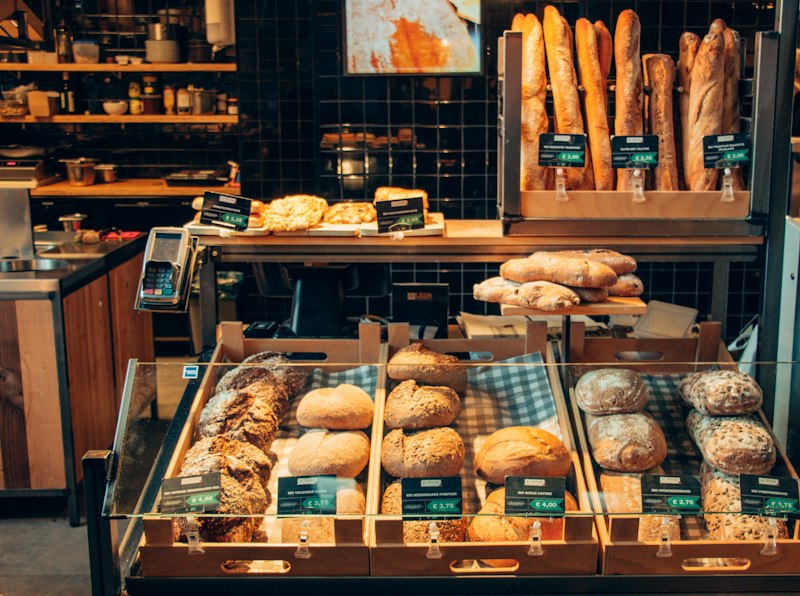
1. The Triple Heritage: Taíno, Spanish, and African Roots
Before European arrival, the Taíno people of Borikén processed yuca (cassava) into flatbreads called casabe, and ground toasted maize into nutritious portable meals. This cornmeal grounding survived directly in Puerto Rico’s beloved sweet Gofio, where toasted corn flour is sweetened with unrefined cane sugar and cinnamon.
With Spanish colonization came wheat flour, citrus zest, anise seeds, almonds, and traditional convent baking methods. Spanish Franciscan friars and settlers introduced Iberian shortbreads (polvorones) and egg-rich sponge cakes. However, in the Caribbean’s hot and humid tropical climate, wheat flour behaved differently than in Europe. Puerto Rican bakers adapted by combining European techniques with ingredients flourishing on the island.
Enslaved Africans brought mastery of tropical agricultural processing, particularly with coconut palms and sugar cane. Hand-grated coconut combined with unrefined sugar cane molasses to create icons of Puerto Rican confitería: Besitos de Coco (coconut kisses), Arañas de Coco (caramelized coconut spiders), and Marrayo (molasses-cooked shredded coconut bars).
2. The Science of Pan de Sobao vs. Pan de Agua
No culinary discussion of Puerto Rico is complete without examining its two premier hearth breads:
Pan de Sobao (The Sweet Velvet Loaf)
The Spanish word sobar means to knead, massage, or roll dough repeatedly. In traditional bakeries like Dulce Masa, the dough for Pan de Sobao is passed repeatedly through heavy steel rollers or kneaded extensively by hand. This intensive mechanical working breaks down the gluten matrix into micro-fine structures, preventing large open air pockets.
The formula includes pure lard or sweet creamery butter, granulated cane sugar, and a touch of salt. When baked with steam in our ovens in Florida, PR, the dough expands into an impossibly soft, velvety crumb with a paper-thin, tender golden crust. It boasts a gentle sweetness that pairs seamlessly with salty cured ham, sharp cheddar cheese, or sweet guava jam.
Pan de Agua (The Crusty Baguette)
In contrast, Pan de Agua is a lean dough consisting of unbleached bread flour, water, yeast, and salt, with little to no fat. Cold water and steam create dramatic oven spring, producing an airy, open interior and a crisp, crackly exterior. When sliced lengthwise, it forms the authentic foundation for the world-famous Cuban and Medianoche sandwiches.
3. The Guava Obsession: Heart of Puerto Rican Pastries
Guava (guayaba) is the undisputed queen of Caribbean pastry fruit. When slowly simmered with pure cane sugar and pectin, fresh pink guava pulp concentrates into a thick, glossy, ruby-red paste (pasta de guayaba). Its natural tartness balances high sugar sweetness, preventing palate fatigue.
In our bakery in Florida, PR, guava paste forms the molten heart of several beloved specialties:
- Almejitas de Guayaba: Soft clam-shaped pastry cakes baked to a pale gold and filled with sweet guava paste.
- Pastelillitos de Guayaba: Flaky, paper-thin puff pastry squares folded over guava paste and finished with powdered sugar.
- Brazo Gitano: Delicate rolled vanilla sponge cake filled with guava jelly and dusted with confectioner's sugar.
4. The Boricua Sweet Tooth: Confitería Tradicional
Traditional Puerto Rican sweets (confitería típica) were historically prepared by artisan candy makers (dulceros) and sold at village church patron saint festivals (fiestas patronales). At Dulce Masa, we keep these heritage confections alive:
Mantecaditos con Grajeas
The crown jewel of island party tables. Prepared with creamery butter, pure almond extract, and cinnamon, these shortbread gems feature a thumbprint center filled with rainbow nonpareils (grajeas). The texture is uniquely balanced: a satisfying snap that instantly melts into creamy rich butter.
Bizcocho Jíbaro (Banderita)
Originating in the central mountain towns (like Florida, Utuado, and Ciales), this country cake was devised by rural homemakers (jíbaros) who did not always have access to fresh dairy or refrigerated eggs. By using pure cane sugar, flour, oil, and vanilla extract, they crafted a moist, comforting cake that remains a beloved dairy-free and egg-free island classic to this day.
Cucas de Jengibre
A spicy, crunchy cookie infused with freshly grated mountain ginger and dark cane molasses. Historically consumed as a restorative treat after long days in the coffee groves and sugar fields, Cucas remain a timeless accompaniment to hot Puerto Rican black coffee (café negro).
Essential Puerto Rican Bakery Glossary
5. How to Store, Freeze, and Reheat Puerto Rican Breads
Because authentic Pan de Sobao and Pan de Agua made at Dulce Masa contain no artificial chemical preservatives or anti-mold additives, follow these professional baker tips to keep your loaves in peak condition:
- First 24–48 Hours: Keep the bread at room temperature inside its original paper bakery bag, tucked into a loosely closed plastic bread box. Never store warm bread in a sealed plastic bag while still hot, as trapped steam softens the crust.
- Reheating to Oven-Fresh Crispness: Preheat your oven or toaster oven to 350°F (175°C). Lightly mist the crust of Pan de Agua with a droplet of water. Warm for 4 to 6 minutes. The crust will regain its explosive crunch while the interior remains pillowy and steaming.
- Freezing for Long-Term Nostalgia: If you are taking loaves home or sending care packages to the diaspora, slice the bread completely, place sheets of wax paper between slices, and seal tightly in a freezer zip bag. Slices can be popped straight into a toaster for breakfast comfort!
Experience the Tradition at Dulce Masa
Visiting Florida, Puerto Rico? Stop by our bakery at Barrio San Agustín, Carr. 140 Km. 56.4, to experience the aroma of our ovens, taste hot Pan de Sobao, and take home our handcrafted gift boxes.